




The Mouse Steps Back: What Disney’s Exit From OpenAI Means for the Future of AI in Entertainment
Disney’s decision to exit its partnership with OpenAI has sent shockwaves through both the entertainment industry and the artificial intelligence sector, raising urgent questions about the reliability, safety, and creative viability of generative AI tools in major studio environments. The fallout, triggered in large part by the abrupt and unexpected shutdown of OpenAI’s Sora video generation platform, has exposed deep fault lines between Silicon Valley’s ambitions and Hollywood’s cautious approach to disruptive technology.
—
Disney Exits OpenAI Deal: What Happened and Why It Matters
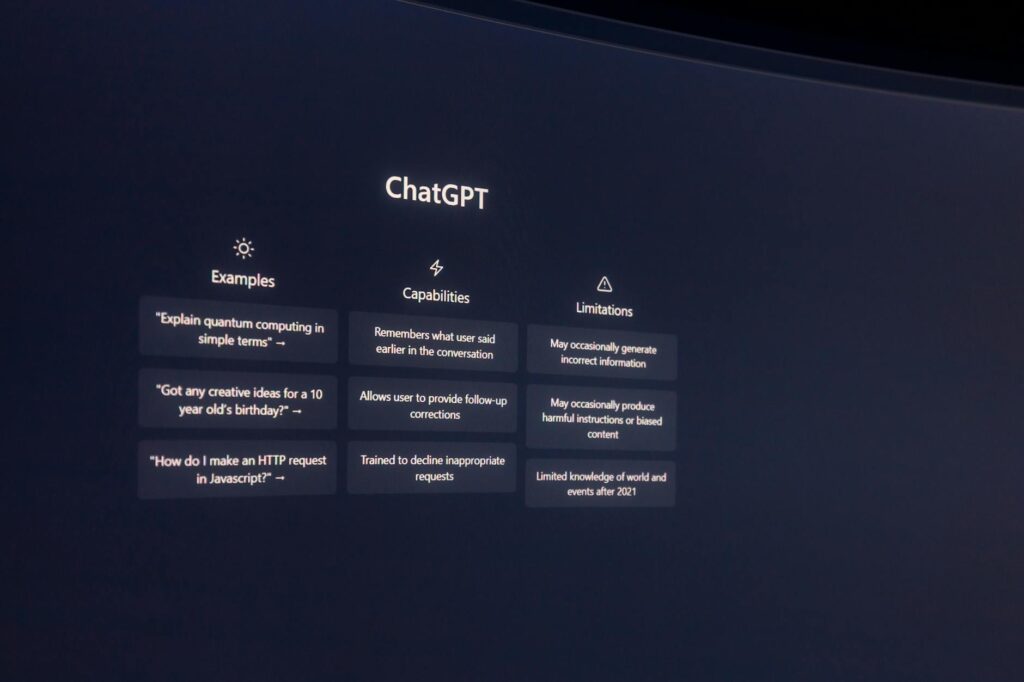
The partnership between Disney and OpenAI was, by all accounts, one of the most exciting collaborations in recent memory. Disney, a company synonymous with storytelling innovation, had reportedly been exploring OpenAI’s suite of tools — most notably Sora, the AI-powered text-to-video generation platform — as part of a broader initiative to modernize its creative pipeline. Sora’s ability to generate photorealistic video sequences from simple text prompts seemed tailor-made for pre-visualization, concept development, storyboarding, and potentially even full-scale production support.
However, OpenAI’s sudden decision to roll back and effectively shut down Sora’s public-facing capabilities sent Disney’s internal teams scrambling. According to sources familiar with the matter, production departments that had already begun integrating Sora into their workflows found themselves stranded mid-project, without the tools they had come to rely on and without adequate warning from OpenAI that the shutdown was imminent.
For Disney, a studio that operates on multi-year production schedules and billion-dollar budgets, unpredictability is not a luxury it can afford. The Sora shutdown wasn’t merely an inconvenience — it was a breach of the trust that forms the foundation of any serious enterprise partnership.
—
The Sora Shutdown: A Timeline of Disruption
OpenAI’s Sora had been one of the most hyped AI products of the past two years. Unveiled with stunning demonstration videos that showed everything from sweeping cinematic landscapes to intimate human moments rendered entirely by machine intelligence, Sora captured the imagination of filmmakers, advertisers, game developers, and storytellers worldwide.
But the path from impressive demo to reliable enterprise tool proved far rockier than anticipated. OpenAI faced a barrage of criticism related to Sora’s outputs — ranging from concerns about deepfake potential and copyright infringement to more technical issues around consistency, character coherence across scenes, and unpredictable generation errors.
The shutdown, when it came, was swift. OpenAI cited the need for “significant safety and alignment improvements” before Sora could be redeployed in its more powerful capacity. While this explanation was accepted by some as a responsible corporate decision, it left partners like Disney — who had reportedly invested considerable internal resources in Sora-based workflows — without recourse or a clear timeline for recovery.
The message it sent to enterprise customers was stark: even the most sophisticated AI tools remain works in progress, vulnerable to sudden policy reversals and technical setbacks that can derail entire production strategies.
—
Hollywood’s Growing Unease with Generative AI
Disney’s exit is not happening in a vacuum. The entertainment industry as a whole has been navigating a profoundly ambivalent relationship with artificial intelligence. On one hand, studios have been under enormous financial pressure to cut costs, and generative AI promises significant savings in pre-production, post-production, and marketing. On the other hand, the industry has faced fierce resistance from writers, directors, actors, and crew members who see AI as an existential threat to their livelihoods.
The SAG-AFTRA strikes of 2023 made it abundantly clear that the creative workforce would not accept unchecked AI integration without robust protections. Disney, already operating under the terms of hard-fought union agreements, has been especially sensitive to optics around AI adoption. Doubling down on an OpenAI partnership that had already attracted scrutiny would have been a politically and operationally difficult position to maintain — particularly after the Sora debacle handed critics an obvious and legitimate grievance.
There is also the matter of brand identity. Disney’s entire empire is built on the promise of handcrafted magic, emotional storytelling, and characters that generations of families have grown up loving. The idea of Mickey Mouse, Elsa, or Baby Yoda being generated by an algorithm — even partially — carries reputational risks that no quarterly cost-saving report can fully offset.
—
The Enterprise AI Reliability Problem
One of the most significant takeaways from the Disney-OpenAI fallout is the broader issue of enterprise AI reliability. For consumer applications, a sudden shutdown or feature rollback is annoying. For enterprise clients operating at the scale and complexity of a company like Disney, it can be catastrophic.
Enterprise partnerships require Service Level Agreements (SLAs), guaranteed uptime, transparent roadmaps, and clear escalation pathways. The startup culture that drives many AI companies — move fast, iterate publicly, pivot when necessary — is fundamentally at odds with the long-horizon planning that defines industries like film, television, and theme park development.
OpenAI has been aggressively courting enterprise clients, and the Sora situation has forced a reckoning about whether the company’s infrastructure, governance, and communication practices are truly ready for that level of responsibility. Other studios and major brands watching the Disney fallout will be asking the same question before signing their own AI partnerships.
—
What Disney Might Do Next
Despite stepping back from OpenAI, Disney is unlikely to retreat entirely from AI investment. The company has its own internal technology division and has reportedly been exploring proprietary AI development that would give it greater control over how the technology is deployed, governed, and communicated to unions and stakeholders.
There is also speculation that Disney may pivot to other AI providers — Google DeepMind, Runway, Stability AI, or any number of specialized startups developing tools specifically designed for entertainment industry workflows. These platforms, while perhaps less powerful than OpenAI’s flagship offerings, may offer greater stability, more focused capabilities, and the kind of enterprise-grade reliability that Disney demands.
—
A Cautionary Tale for the AI Industry
Ultimately, the story of Disney’s exit from its OpenAI deal is a cautionary tale about the pace of AI commercialization. The technology has advanced at a breathtaking rate, and the ambition to monetize that progress through enterprise partnerships is entirely understandable. But ambition must be matched with accountability, transparency, and a genuine commitment to the needs of clients who are betting real money, real time, and real creative energy on the tools they adopt.
Sora’s abrupt shutdown reminded the world that behind every dazzling AI demo is a product still under construction — and that the companies deploying these tools need partners who will be honest about that reality, not just when things go wrong, but long before they do.
For Disney, the decision to step back may ultimately prove to be the right one. For OpenAI, it is an expensive lesson in what enterprise trust actually requires.